
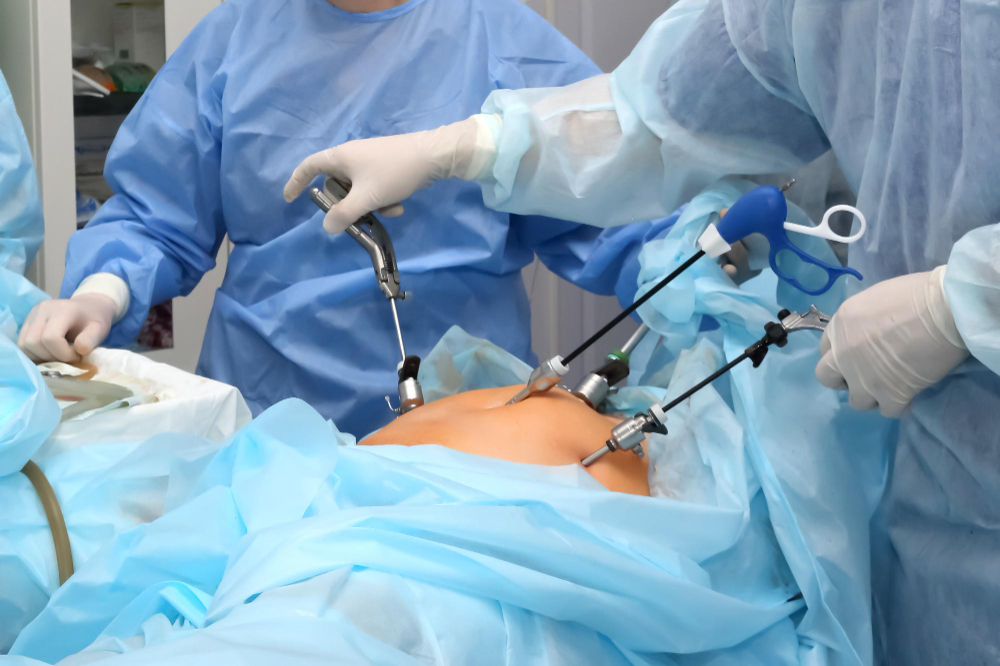
What is Laparoscopic Surgery?
Laparoscopic surgery is a type of minimally invasive surgery. Doctors use small cuts and a thin tube with a camera to see inside the body. In gynecology, this method helps treat problems with the uterus, ovaries, or fallopian tubes. Because the cuts are small, women often heal faster than with open surgery. According to the World Health Organization, laparoscopic surgery can lower infection risk and shorten hospital stays.
Why Preparation Matters
Proper preparation helps reduce stress and improves recovery. For example, following your doctor’s instructions can lower the chance of problems during or after surgery. In addition, knowing what to expect can help you feel more in control. The Centers for Disease Control and Prevention (CDC) recommends careful planning before any surgery, including gynecologic laparoscopy. When you prepare well, you help your body heal faster.
Pre-Surgery Checklist for Women
Before your procedure, it is important to follow a gynecologic laparoscopy checklist. This helps you stay organized and ready. Here are some key steps:
Following this gynecologic laparoscopy checklist can make preparing for laparoscopic surgery easier and safer.
What to Expect Before the Procedure
Before surgery, you will meet with your healthcare team. They will review your health history and answer questions. Sometimes, you may need blood tests or other checks. In many cases, you will sign forms to agree to the surgery. Your doctor will explain how the procedure works and what you should do on the day. For example, you may need to avoid eating after midnight. If you have questions, this is a good time to ask. Knowing what will happen can help you feel calm and ready.
Important Questions to Ask Your Doctor
It is helpful to ask your doctor questions about laparoscopic surgery preparation for women. Here are some ideas:
By asking these questions, you can feel more confident about how to prepare for minimally invasive surgery.
Tips for the Day of Surgery
On the day of your procedure, there are several things you can do to make the process smoother. First, arrive at the hospital or clinic early. Bring your ID, insurance card, and any needed paperwork. Next, wear comfortable clothes and leave valuables at home. If you feel nervous, try deep breathing or listen to calming music. Remember, your care team is there to help you. Following these tips can help you feel more at ease.
Post-Surgery Preparation at Home
After your surgery, you will need time to rest and heal. Before the procedure, set up a comfortable space at home. For example, place water, snacks, and your phone within easy reach. Ask a friend or family member to help with daily tasks for a few days. In addition, follow your doctor’s instructions about wound care and medicines. Watch for signs of infection, such as redness or fever. If you notice anything unusual, contact your doctor right away. With good planning, your recovery from gynecologic laparoscopy can go more smoothly.