What is Pregnancy Induced Hypertension?
Pregnancy induced hypertension is a type of high blood pressure that starts after 20 weeks of pregnancy. Doctors also call it gestational hypertension. This condition can affect both the mother and baby. For this reason, it is important to watch for signs and get regular checkups. According to the World Health Organization, pregnancy induced hypertension is one of the most common problems during pregnancy. It can lead to serious health issues if not managed well.
Common Symptoms of Pregnancy Induced Hypertension
Often, pregnancy induced hypertension does not cause clear symptoms at first. However, some women may notice changes. For example, you might feel:
Sometimes, these symptoms can seem mild. Still, it is important to tell your doctor if you notice any of them. Early care can help prevent problems.
Causes and Risk Factors
Doctors do not know the exact cause of pregnancy induced hypertension. However, some factors can increase your risk. For instance, you may be more likely to get it if you:
Because these risks can add up, it is helpful to talk with your doctor early in your pregnancy. That way, you can make a plan to stay healthy.
How Pregnancy Induced Hypertension is Diagnosed
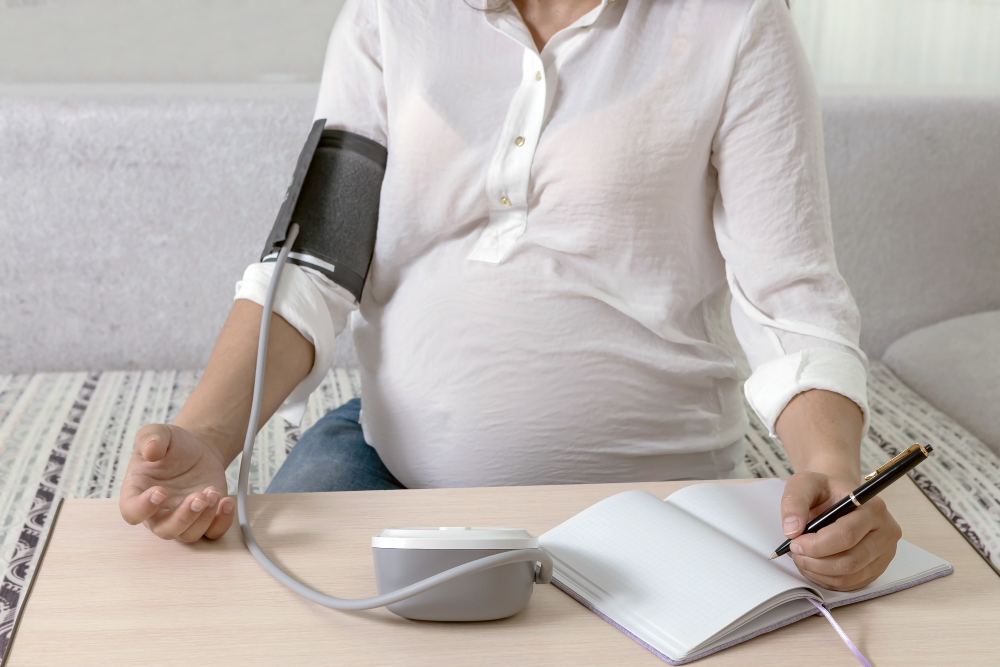
Doctors use several steps to diagnose pregnancy induced hypertension. First, they check your blood pressure during each prenatal visit. If your blood pressure is high, they may ask you to come in more often. In addition, your doctor may test your urine for protein. This helps rule out preeclampsia, which is a more serious condition. Sometimes, blood tests are needed to check your liver and kidney function. With regular checks, doctors can spot problems early and start treatment right away.
Treatment and Management Options
Treating pregnancy induced hypertension is important for your health and your baby’s health. In many cases, doctors recommend:
Sometimes, if your blood pressure gets too high, your doctor may suggest delivering the baby early. This decision depends on how far along you are and how you and your baby are doing.
Lifestyle Tips for Managing Pregnancy Induced Hypertension
There are simple steps you can take to help manage high blood pressure during pregnancy. For example, you can:
By making these changes, you can support your health and help lower your risk of problems.
Prevention Strategies
While it is not always possible to prevent pregnancy induced hypertension, you can lower your risk by taking care of your health before and during pregnancy. For instance, you can:
Early action and regular care can make a big difference. With the right steps, many women have healthy pregnancies even with high blood pressure.