
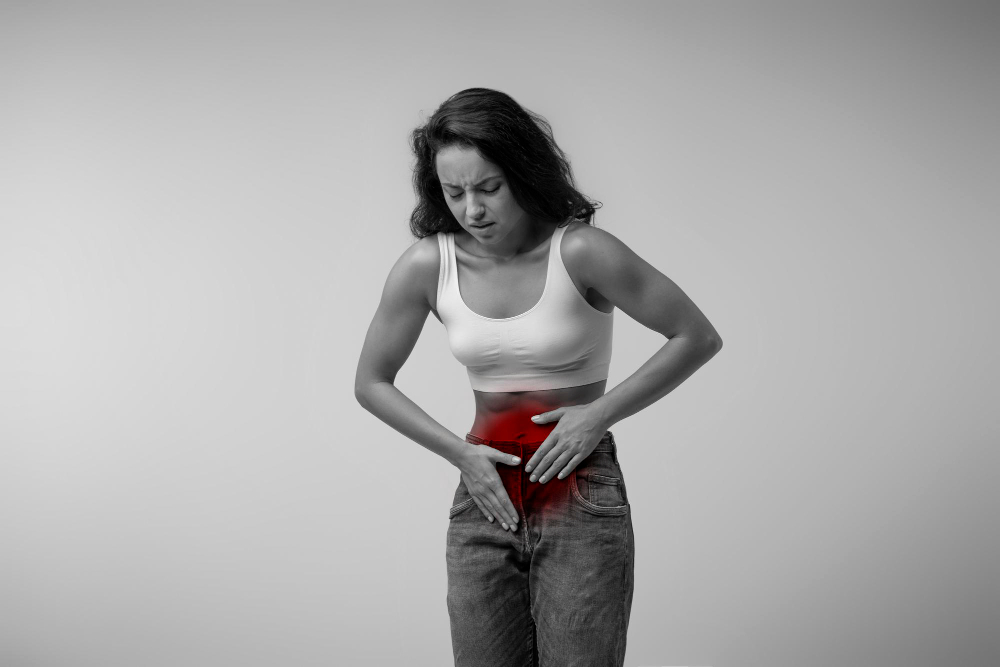
What is Pelvic Inflammatory Disease (PID)?
Pelvic Inflammatory Disease, or PID, is an infection of the female reproductive organs. It often affects the uterus, fallopian tubes, and ovaries. Usually, bacteria from sexually transmitted infections (STIs) like chlamydia or gonorrhea cause PID. However, other bacteria can also lead to this condition. PID is a serious health issue for women. If left untreated, it can cause lasting problems. Understanding PID complications is important for protecting female reproductive health.
How Does PID Develop?
Most often, PID starts when bacteria enter the vagina and move up into the reproductive organs. For example, unprotected sex with someone who has an STI increases the risk. Sometimes, procedures like childbirth, abortion, or inserting an intrauterine device (IUD) can also let bacteria in. Once inside, the bacteria cause inflammation and infection. Over time, this can damage the organs if not treated quickly.
Common Complications of PID
Without early treatment, PID can lead to serious health problems. These complications may affect a woman’s life in many ways. Below are some of the most common complications of PID:
According to the Centers for Disease Control and Prevention (CDC), about 1 in 8 women with a history of PID may have trouble getting pregnant.
Signs That Complications May Be Developing
It is important to watch for warning signs. Early action can help prevent serious problems. Look out for these symptoms:
If you notice any of these signs, seek medical help right away. Quick treatment can lower the risk of PID complications.
Prevention and Early Detection of Complications
Thankfully, you can take steps to lower your risk. Here are some ways to prevent PID and its complications:
Early detection is key. If you have symptoms, do not wait to get checked. The sooner PID is treated, the lower the risk of lasting damage.
When to Seek Medical Help
If you suspect you have PID or notice any warning signs, contact a healthcare provider right away. Even mild symptoms should not be ignored. Early treatment can prevent serious complications and protect your reproductive health. Remember, your doctor can help you find the best care for your needs.
If you suspect PID or experience symptoms, consult a healthcare specialist for personalized advice.