
What is Oligomenorrhea?
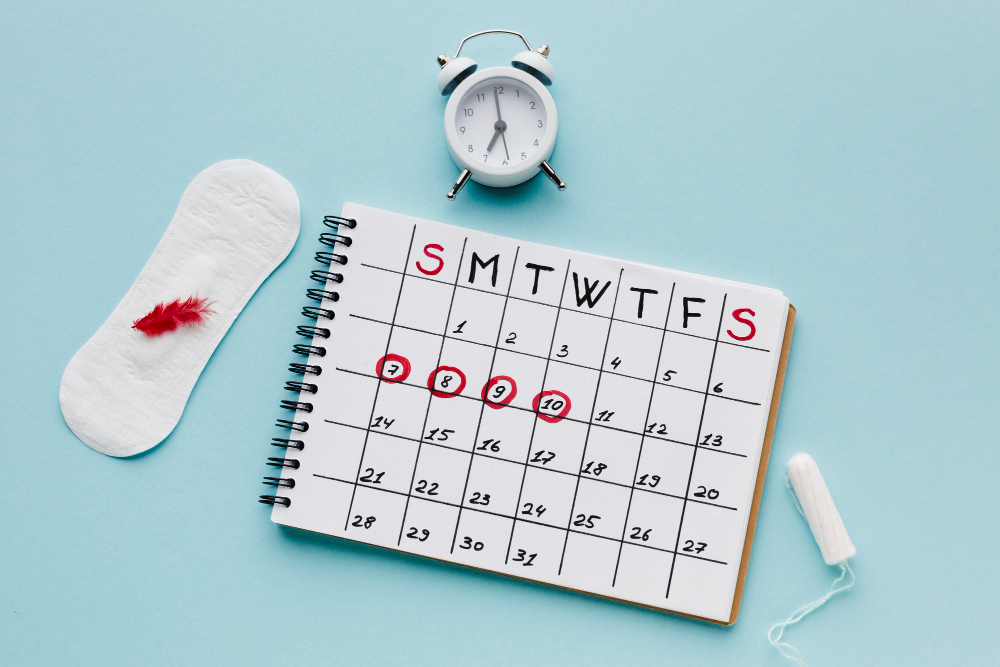
Oligomenorrhea means having infrequent periods. Usually, a normal menstrual cycle lasts about 21 to 35 days. However, if your periods come less often than every 35 days, you may have oligomenorrhea. This condition is a type of menstrual irregularity. It can affect women of all ages, but it is more common in teenagers and women approaching menopause. Although some variation in cycles is normal, frequent changes may signal a health issue.
Common Symptoms
Oligomenorrhea mainly causes fewer periods than usual. But, you may notice other signs as well. For example, some women experience:
However, not everyone will have all these symptoms. Still, if you notice changes, it is important to track your cycle.
Causes and Risk Factors
There are many causes of oligomenorrhea. Often, hormonal changes are the main reason. For instance, the following factors can lead to infrequent periods:
Additionally, young girls who have just started menstruating may have irregular cycles. Similarly, women nearing menopause often notice changes in their periods. According to the World Health Organization (WHO), hormonal imbalances are a frequent cause of menstrual irregularities.
Diagnosis and When to See a Doctor
If you have infrequent periods, you should see a doctor. Early diagnosis can help find the cause. Your doctor will ask about your medical history and menstrual cycle. They may also perform a physical exam. Sometimes, blood tests are needed to check hormone levels. In some cases, an ultrasound may help look at your ovaries and uterus.
It is important to see a doctor if:
Early care can prevent complications and improve your health.
Treatment Options
Treatment for oligomenorrhea depends on the cause. For example, if stress or weight changes are the reason, lifestyle changes may help. However, if a medical condition like PCOS or thyroid disease is found, your doctor may suggest medication. Common treatments include:
In some cases, treating the underlying cause will restore regular periods. But, always follow your doctor’s advice for the best results.
Lifestyle Tips and Prevention
While not all causes of oligomenorrhea can be prevented, some healthy habits may help. For instance, you can:
Additionally, avoid skipping meals or following extreme diets. If you notice changes in your cycle, talk to your doctor soon.
Frequently Asked Questions
Is oligomenorrhea dangerous?
Oligomenorrhea is not always dangerous. However, it can signal an underlying health issue. Therefore, it is best to get checked by a doctor.
Can I get pregnant if I have infrequent periods?
Yes, but it may be harder. Irregular cycles can make it tough to predict ovulation. If you are trying to conceive, consult your doctor for advice.
When should I worry about irregular periods?
If you miss several periods, have severe pain, or notice other symptoms, see a doctor. Early care helps prevent complications.
Can stress cause oligomenorrhea?
Yes, high stress can affect your hormones and lead to infrequent periods. Managing stress often helps restore regular cycles.
In summary, oligomenorrhea means having infrequent periods. While it is common, it can signal a health problem. Therefore, consult a gynecologist for personalized advice on menstrual health.