
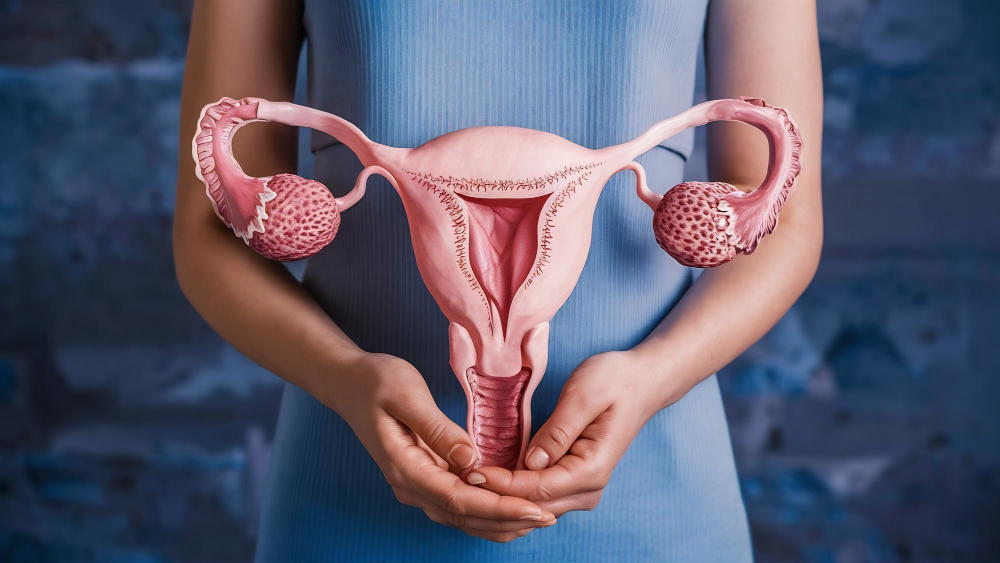
Endometriosis is a common health issue that affects many women. It can cause pain, heavy periods, and sometimes trouble getting pregnant. Because endometriosis can look like other problems, many people do not know they have it. However, knowing the signs of endometriosis and understanding the endometriosis diagnosis process can help you get the right care. This guide will explain what endometriosis is, its causes, symptoms, and the best endometriosis treatment options available today.
What is Endometriosis?
Endometriosis happens when tissue like the lining inside the uterus grows outside of it. Usually, this tissue is found on the ovaries, fallopian tubes, or other places in the pelvis. As a result, it can cause pain and swelling. Sometimes, it leads to scar tissue. Although endometriosis is not cancer, it can affect daily life. For many women, it makes periods more painful and can even cause pain during other times of the month.
Common Symptoms of Endometriosis
Not every woman with endometriosis has the same symptoms. For example, some may have mild pain, while others feel severe discomfort. Still, knowing the signs of endometriosis can help you spot the condition early. Common symptoms include:
Sometimes, endometriosis pain can be mistaken for other problems, such as irritable bowel syndrome. Therefore, it is important to talk to your doctor if you notice these symptoms.
Causes and Risk Factors
Doctors are still learning what causes endometriosis. However, several factors may raise your risk. For instance, having a family member with endometriosis can make it more likely. Other possible causes and risk factors include:
Although these factors can increase risk, endometriosis can happen to anyone. Because the exact cause is unknown, more research is needed. The World Health Organization and other experts continue to study this condition.
How Endometriosis is Diagnosed
Getting an endometriosis diagnosis can take time. Often, symptoms look like other health issues. Still, doctors use several steps to find out if you have endometriosis. The endometriosis diagnosis process may include:
Because early diagnosis can help manage endometriosis pain, it is important to see a doctor if you notice symptoms. With the right tests, your doctor can suggest the best treatment options.
Treatment Options for Endometriosis
There are many endometriosis treatment options. The best choice depends on your symptoms, age, and plans for having children. For example, some women find relief with medicine, while others may need surgery. Common treatments include:
Although treatment can help, endometriosis may come back after stopping medicine or surgery. Therefore, regular check-ups are important for managing endometriosis pain.
Lifestyle Tips for Managing Endometriosis
Besides medical care, certain lifestyle changes can help manage endometriosis pain. For instance, gentle exercise and a healthy diet may ease symptoms. Here are some helpful tips:
Because every person is different, you may need to try several methods to find what works best. However, combining lifestyle changes with medical treatment often brings the best results.
Preventive Measures and Early Detection
While there is no sure way to prevent endometriosis, early detection can make a big difference. For example, seeing your doctor for regular check-ups can help catch problems early. Other steps include:
Although endometriosis can be challenging, learning about the condition and staying in touch with your healthcare team can help you manage it well.