
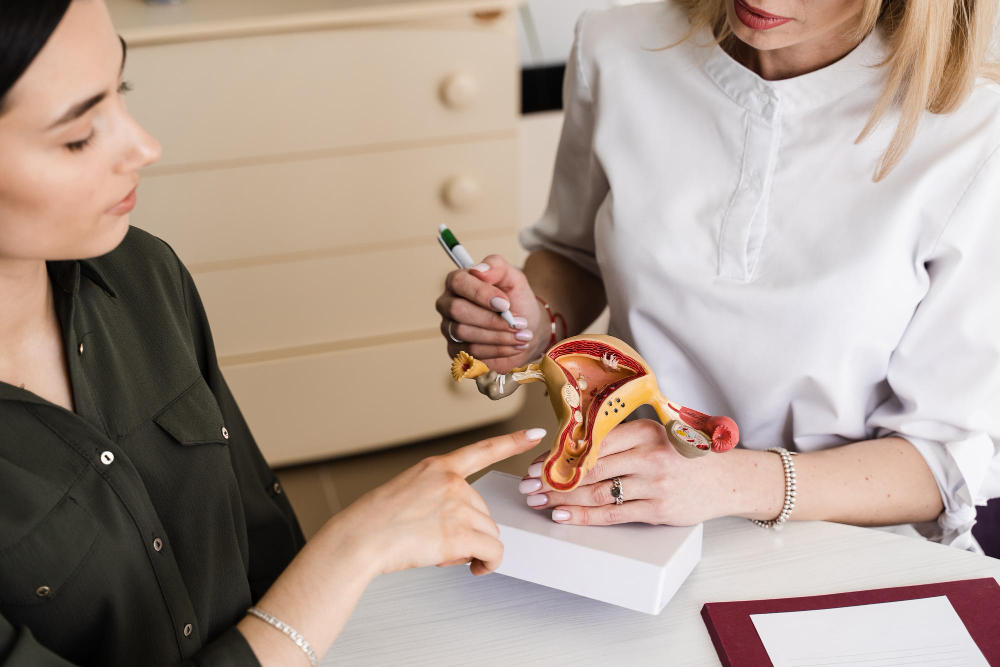
Endometriosis is a health condition where tissue, similar to the lining inside the uterus, grows outside it. Many women wonder when should you seek a specialist for endometriosis. Early care from an endometriosis specialist can help manage pain and improve quality of life. Because symptoms often overlap with other issues, seeing a gynecologist for endometriosis can be important for a clear diagnosis and the right treatment.
What Is Endometriosis?
Endometriosis happens when tissue like the womb’s lining grows in other areas, such as the ovaries or pelvis. This tissue acts as it would inside the uterus, thickening and bleeding during each period. However, since it has no way to leave the body, it can cause pain and swelling. Over time, this may lead to scar tissue or fertility problems. According to the World Health Organization, endometriosis affects about 10% of women of childbearing age worldwide.
Common Symptoms of Endometriosis
Symptoms can differ from person to person. Still, some signs are more common. For example, you may notice:
Not everyone with endometriosis will have all these symptoms. Yet, if you notice any of these, it is wise to pay attention.
Early Warning Signs: When to Consider a Specialist
Sometimes, period pain is normal. However, certain signs mean you should see an endometriosis specialist. For instance, consider a visit if:
In these cases, a gynecologist for endometriosis can help find answers. Early care often leads to better outcomes.
How Specialists Diagnose Endometriosis
Diagnosing endometriosis can take time. First, your doctor will ask about your symptoms and medical history. Next, they may do a pelvic exam to feel for lumps or tender areas. Sometimes, imaging tests like ultrasound or MRI help spot larger growths. However, these tests cannot always show small patches. For a clear diagnosis, a specialist may suggest a minor surgery called laparoscopy. During this procedure, a small camera looks inside the belly to check for endometriosis tissue. This is the most accurate way to confirm the condition.
Treatment Options Offered by Specialists
Specialists offer several ways to manage endometriosis. Treatment depends on your symptoms and if you want to have children. Options may include:
Because every case is different, a treatment plan is tailored to your needs. Often, combining treatments gives the best results.
Benefits of Early Specialist Intervention
Seeing an endometriosis specialist early offers many benefits. For example, you may:
Early action helps prevent the condition from getting worse. As a result, you can feel better and stay active.
Frequently Asked Questions About Seeing a Specialist
Do I need a referral to see an endometriosis specialist?
In many places, you may need a referral from your primary doctor. However, some clinics let you book directly.
How do I choose the right endometriosis doctor?
Look for a gynecologist with experience in diagnosing endometriosis. Ask about their training and treatment options.
Can endometriosis go away on its own?
Endometriosis does not usually go away without treatment. But, symptoms can improve with the right care.
Will I need surgery?
Not everyone needs surgery. Yet, if medicines do not help, your doctor may suggest it to remove tissue and ease pain.
Is endometriosis linked to other health problems?
Sometimes, endometriosis can raise the risk of other issues, such as ovarian cysts or fertility problems. Early care can help lower these risks.