
What Is Gestational Hypertension?
Gestational hypertension in pregnancy means you develop high blood pressure after 20 weeks of pregnancy. This condition is different from chronic high blood pressure, which starts before pregnancy or before 20 weeks. For many women, gestational hypertension goes away after delivery. However, it can sometimes lead to more serious problems. According to the CDC, about 6 to 8 percent of pregnant women in the United States develop this condition. Because it can affect both mother and baby, it is important to understand and monitor it closely.
Common Symptoms of Gestational Hypertension
Often, gestational hypertension in pregnancy does not cause clear symptoms. Still, some women may notice signs. For example, you might experience:
Sometimes, these symptoms can be mild. Yet, they may also signal more serious issues. Therefore, it is important to tell your doctor about any new or unusual symptoms right away.
Causes and Risk Factors
Doctors do not know the exact cause of gestational hypertension in pregnancy. However, certain factors can raise your risk. For instance, you may be more likely to develop it if you:
Additionally, women with certain health conditions, such as diabetes or kidney disease, may face higher risks. Knowing your risk factors can help you and your doctor watch for early signs.
How Gestational Hypertension Is Diagnosed
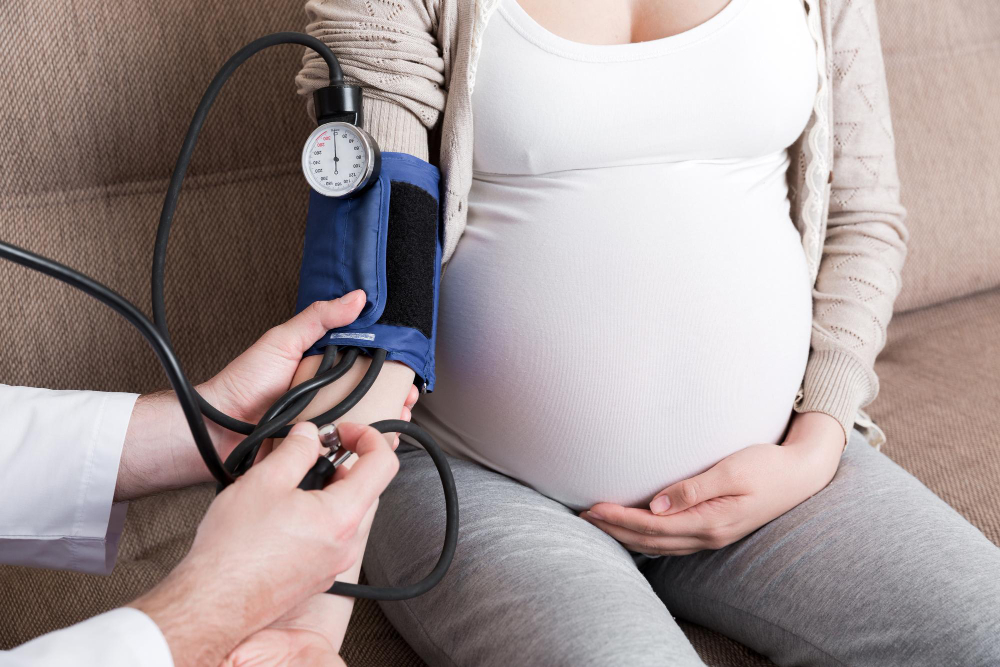
Doctors diagnose gestational hypertension in pregnancy by checking your blood pressure during prenatal visits. If your blood pressure is 140/90 mmHg or higher after 20 weeks, you may have this condition. Besides, your doctor may order urine tests to check for protein. This helps rule out preeclampsia, a more serious condition. Sometimes, blood tests or ultrasounds are also used to check your health and your baby’s growth. Regular check-ups are key to catching any changes early.
Potential Risks for Mother and Baby
Gestational hypertension in pregnancy can lead to health problems for both mother and baby. For mothers, risks include:
For babies, the risks may include:
Because of these risks, monitoring blood pressure in pregnancy is very important. Early detection and care can help prevent serious complications.
Importance of Regular Monitoring During Pregnancy
Regular monitoring of blood pressure during pregnancy helps keep you and your baby safe. For example, your doctor will check your blood pressure at every prenatal visit. If you have risk factors, you may need more frequent checks. Monitoring helps spot changes early, so doctors can act quickly if needed. According to the World Health Organization, early treatment can lower the risk of severe problems. Therefore, always attend your prenatal appointments and follow your doctor’s advice.
Tips for Managing Gestational Hypertension
Managing gestational hypertension in pregnancy can help protect your health and your baby’s well-being. Here are some tips:
With careful monitoring and healthy habits, many women with gestational hypertension have safe pregnancies and healthy babies.