
Introduction
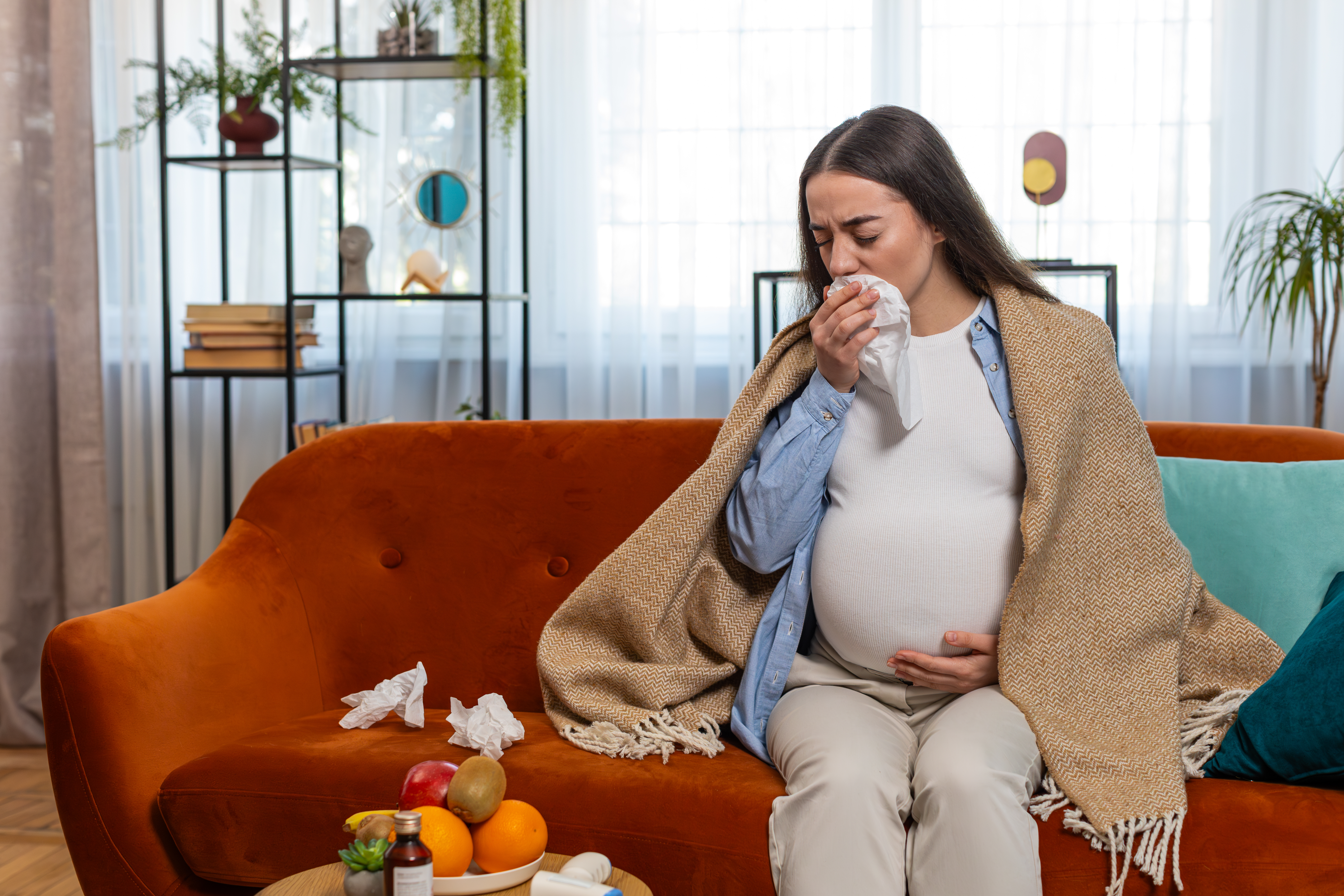
Many women experience vomiting during pregnancy, especially in the first trimester. Finding home remedies to reduce vomiting during pregnancy can help you feel better. There are also natural ways to manage morning sickness and safe remedies for pregnancy nausea. In addition, simple tips to ease vomiting during pregnancy can make daily life easier. While these symptoms are common, knowing how to manage them at home is important for comfort and well-being.
What Causes Vomiting During Pregnancy?
Vomiting during pregnancy is often called morning sickness. However, it can happen at any time of day. Hormonal changes, especially rising levels of human chorionic gonadotropin (hCG), play a big role. For some women, certain smells or foods can trigger nausea. Stress, tiredness, and an empty stomach may also make symptoms worse. Although most cases are mild, some women may have severe vomiting, known as hyperemesis gravidarum. According to the CDC, this condition may need medical care.
When to Seek Medical Advice
While home remedies help many women, sometimes you need a doctor’s advice. Seek medical help if you:
Early care can prevent dehydration and other problems. Always talk to your healthcare provider if you are worried.
Effective Home Remedies to Reduce Vomiting During Pregnancy
Many women find relief with simple home remedies. However, always check with your doctor before trying new remedies. Here are some safe options:
Lifestyle and Dietary Tips for Managing Symptoms
Besides home remedies, certain habits can make a big difference. For example, try these tips:
With these changes, many women notice fewer symptoms.
Prevention Strategies for Pregnancy-Related Nausea
Although you may not prevent all nausea, some steps can help reduce your risk. For instance:
These strategies can help you feel more comfortable each day.
Safety Considerations and What to Avoid
While many home remedies are safe, some are not. For example, avoid herbal supplements unless your doctor approves them. Some herbs can harm you or your baby. Do not take over-the-counter medicines for nausea without medical advice. Also, avoid greasy, spicy, or very sweet foods, as they may make symptoms worse. If you are unsure about a remedy, always ask your healthcare provider first.
Conclusion
Vomiting during pregnancy is common, but many home remedies can help. With safe remedies, lifestyle changes, and prevention tips, you can manage symptoms at home. However, always consult your healthcare provider for personalized advice on managing vomiting during pregnancy.