
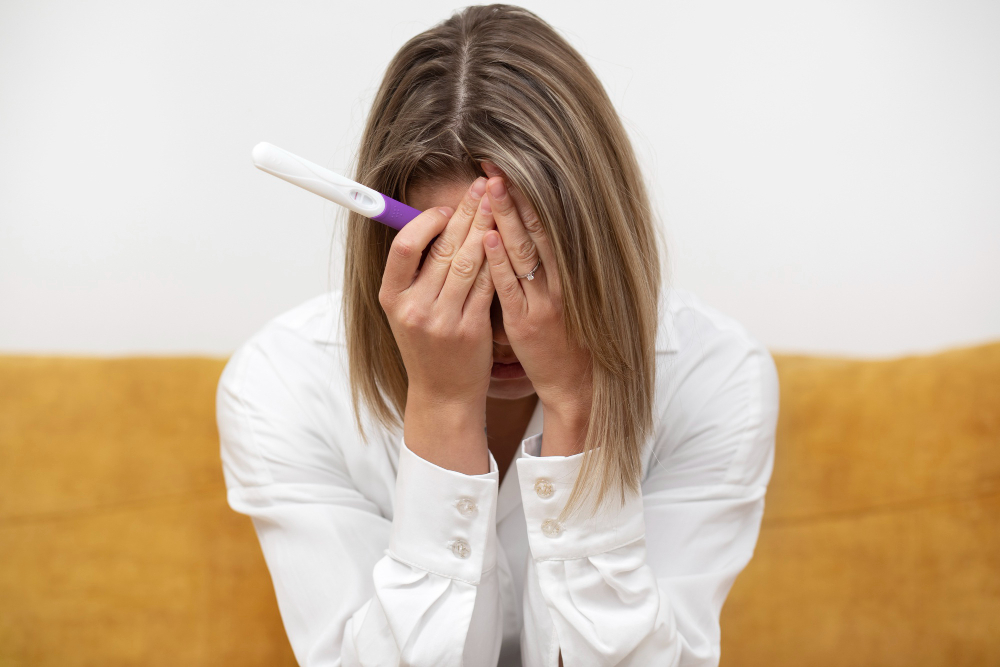
Hormonal imbalances and fertility are closely linked. Many people wonder how hormones affect fertility and what signs to watch for. If you notice hormonal imbalance symptoms, you may worry about your chances of having a baby. Thankfully, there are many fertility treatment options available. In this blog, we will explain what hormonal imbalances are, how they impact fertility, and what you can do to restore balance and improve your chances of conceiving.
What Are Hormonal Imbalances?
Hormones are chemical messengers in your body. They control many important functions, including growth, mood, and reproduction. When your body makes too much or too little of certain hormones, you have a hormonal imbalance. This can affect your health in many ways. For example, it can change your energy, weight, or even your ability to have children.
How Hormonal Imbalances Affect Fertility
Hormones play a key role in the reproductive system. They help control the menstrual cycle, ovulation, and sperm production. When hormone levels are off, it can make it hard to get pregnant. For instance, some people may not ovulate every month. Others may have irregular periods or problems with sperm health. Because of this, hormonal imbalances are a common cause of infertility in both women and men.
Common Causes of Hormonal Imbalances
There are many reasons why hormone levels can change. Some causes are temporary, while others may last longer. Here are some common causes:
According to the World Health Organization (WHO), these issues can disrupt normal hormone production and affect fertility.
Key Symptoms to Watch For
It is important to notice signs of hormonal imbalance early. While symptoms can vary, some common ones include:
If you notice these symptoms, it is wise to talk to a doctor. Early action can help prevent further problems.
Diagnosis: How Doctors Identify Hormonal Imbalances
Doctors use several methods to check for hormonal imbalances. First, they will ask about your symptoms and medical history. Then, they may order blood tests to measure hormone levels. Sometimes, doctors use ultrasound or other scans to look at your reproductive organs. In some cases, they may suggest more tests to find the exact cause. The Centers for Disease Control and Prevention (CDC) recommends early testing for anyone with ongoing symptoms or trouble getting pregnant.
Treatment Options for Restoring Fertility
Treatment depends on the cause of the hormonal imbalance. However, many people see improvement with the right care. Common fertility treatment options include:
Doctors may combine several treatments for the best results. According to peer-reviewed medical journals, early treatment can improve fertility outcomes.
Lifestyle Tips for Hormonal Health
Besides medical treatment, healthy habits can support hormone balance. Here are some tips:
These steps can help your body work better and may improve fertility.
Prevention and When to Seek Help
While you cannot prevent all hormonal imbalances, you can lower your risk. For example, regular check-ups and healthy habits make a difference. If you notice symptoms or have trouble getting pregnant, do not wait. Early help can make treatment easier and more effective. The CDC suggests seeing a doctor if you have irregular periods, ongoing symptoms, or have tried to conceive for over a year without success.
In summary, hormonal imbalances and fertility are closely linked. Many causes and symptoms can affect your chances of having a baby. However, with the right diagnosis and treatment, many people can restore balance and improve fertility. Consult a healthcare specialist for personalized advice on hormonal health and fertility.